How Thermoset Materials Revolutionize the Injection Molding Industry
Introduction to Thermoset Materials in Injection Molding
Overview of Injection Molding
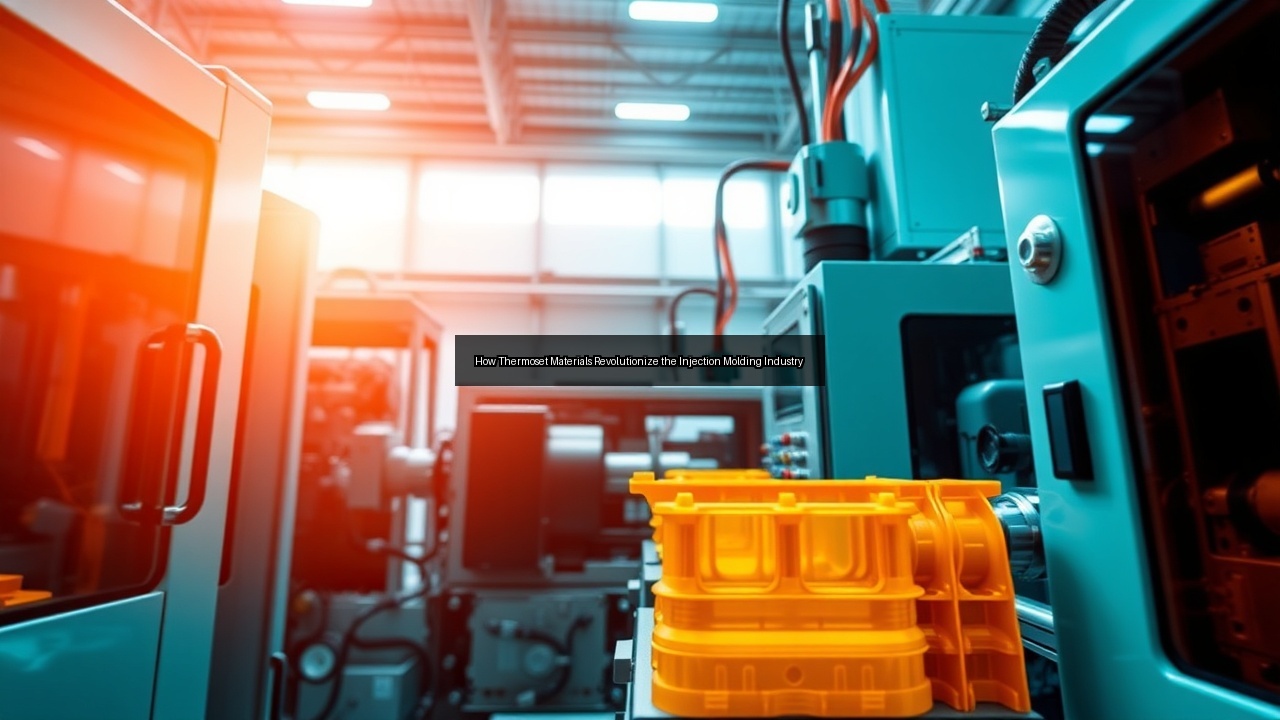
Injection molding transforms raw polymers into precise components through high-pressure injection into custom molds. Manufacturers rely on this method for high-volume production of everything from consumer goods to industrial parts. The process delivers tight tolerances and repeatable quality across runs. Thermoset materials expand these capabilities by enabling parts that withstand extreme conditions without deformation. Injection molding thermosets supports complex geometries while maintaining structural integrity after curing. This approach reduces secondary operations and supports consistent output in demanding sectors. Companies achieve faster cycle times with optimized equipment designed for thermoset flow and hardening. Modern facilities integrate real-time monitoring systems to track pressure, temperature, and viscosity, ensuring minimal defects even in high-cavitation molds. The versatility of injection molding extends to micro-molding applications where thermoset resins produce miniature connectors for electronics with feature sizes under 0.5 millimeters.
Definition and Characteristics of Thermoset Materials
Thermoset materials form permanent cross-linked molecular structures when heat and pressure trigger curing. Once set, they resist melting or reshaping even under elevated temperatures. Key traits include high rigidity, excellent electrical insulation, and resistance to creep under load. These polymers start as low-viscosity resins that fill intricate mold cavities before hardening. Injection molding thermosets capitalizes on this behavior to create durable finished goods. Unlike materials that soften repeatedly, thermosets deliver one-way transformation that locks in performance. Their inherent stability suits environments where repeated thermal cycling occurs. Additional characteristics encompass low moisture absorption rates below 0.5 percent in many formulations and superior flame retardancy meeting UL 94 V-0 standards without halogen additives. The curing reaction involves condensation or addition polymerization, releasing byproducts such as water or ammonia that must be vented properly to avoid surface defects.
Comparison with Thermoplastics
Thermoplastics soften when heated and solidify when cooled, allowing repeated melting and reforming. Thermosets undergo irreversible curing that produces superior heat and chemical resistance. Thermoplastic materials excel in applications needing flexibility or easy recycling, yet they lose strength above certain temperatures. Injection molding thermosets provides parts that maintain dimensions and mechanical properties where thermoplastic injection molding would fail. Manufacturers select thermosets for components exposed to solvents or sustained loads. The trade-off appears in processing windows and tooling requirements, but the end-use benefits often outweigh these factors in critical designs. Thermoplastics like polyethylene offer lower material costs and faster cycle times in non-demanding uses, while thermosets demonstrate higher glass transition temperatures often exceeding 150°C. Lifecycle analyses frequently favor thermosets in harsh environments due to reduced maintenance and replacement frequency despite higher initial processing energy demands.
Advantages of Thermoset Materials in Injection Molding

Enhanced Durability and Strength
Thermoset injection molding yields components with high compressive strength and resistance to impact damage. Cross-linking during cure distributes stress evenly across the part. This structure prevents creep and maintains dimensional stability under continuous load. Automotive brackets and electrical housings benefit from the added toughness. Injection molding thermosets reduces the need for metal reinforcements in many assemblies. Engineers trust these materials for long-term reliability in vibration-prone settings. The resulting parts resist fatigue even after thousands of cycles. Advanced formulations incorporate glass or carbon fiber reinforcements reaching 60 percent by weight, elevating tensile strength beyond 150 MPa. Impact modifiers further enhance toughness, allowing parts to absorb energies up to 20 kJ/m² without fracture in standardized Izod tests.
Chemical Resistance of Thermosets
Thermosets withstand exposure to aggressive chemicals without swelling or degradation. Their dense molecular network blocks penetration by acids, bases, and hydrocarbons. This property proves essential for pump housings, valve components, and laboratory equipment. Injection molding thermosets creates barriers that extend service life in corrosive environments. Manufacturers avoid frequent replacements that plague thermoplastic parts in similar conditions. The material maintains seal integrity when in contact with fuels or cleaning agents. Such resistance supports safer operations across chemical processing facilities. Specific grades resist concentrated sulfuric acid at 80°C for over 1,000 hours with less than 1 percent weight change, outperforming many engineering thermoplastics. This resistance also extends to organic solvents such as acetone and toluene commonly encountered in automotive fuel systems.
Thermal Stability and Performance
Thermoset polymers retain mechanical properties at temperatures exceeding 200°C without softening. This thermal stability enables use in engine compartments and electronic enclosures near heat sources. Injection molding thermosets produces insulators that prevent electrical failure under prolonged heat. Parts maintain tight tolerances where thermoplastic materials would warp or distort. The cured structure also limits thermal expansion, preserving alignment in precision assemblies. Designers specify these materials for applications demanding consistent performance across wide temperature ranges. Heat deflection temperatures often surpass 250°C under 1.8 MPa load, complemented by continuous use temperatures rated at 180°C or higher. Low coefficients of thermal expansion around 15 ppm/°C minimize stress in metal-thermoset hybrid assemblies subjected to thermal shock cycling between -40°C and 200°C.
Applications of Thermoset Materials in the Industry
Industries Utilizing Thermoset Injection Molding
Automotive, aerospace, electrical, and medical sectors depend on thermoset injection molding for critical components. Brake pads, ignition parts, and connector bodies illustrate widespread adoption. Thermoset materials meet flame-retardant requirements without added fillers in many cases. Injection molding thermosets supports lightweight designs that improve fuel efficiency. Medical device manufacturers use the process for sterilizable handles and housings. The combination of strength and insulation opens doors across multiple regulated industries. In aerospace, thermoset composites form interior panels and ducting that satisfy stringent FAA fire, smoke, and toxicity regulations. The electrical sector employs them for high-voltage insulators and switchgear where arc resistance exceeds 180 seconds per ASTM D495 testing.
Case Studies: Successful Use of Thermosets
One automotive supplier replaced metal intake manifolds with thermoset versions, cutting weight by 40 percent while improving thermal resistance. Another electronics firm adopted injection molding thermosets for circuit breaker housings that survived arc testing where previous thermoplastic materials failed. These switches demonstrate how cured parts handle high-voltage stress without tracking or carbonization. Production volumes increased after tooling adjustments reduced cycle times. Both cases highlight measurable gains in durability and cost efficiency. A third example involves an industrial pump manufacturer that transitioned to phenolic thermosets for impeller components, achieving a 60 percent extension in service life under abrasive slurry conditions and reducing warranty claims by 35 percent.
Specific Examples: Acrylonitrile Butadiene Styrene and Polypropylene
Acrylonitrile butadiene styrene serves certain structural roles yet falls short in high-heat zones, prompting substitution with thermosets. Polypropylene offers good chemical resistance in packaging but lacks the rigidity needed for load-bearing parts. Injection molding thermosets fills this gap by delivering higher heat deflection temperatures. Engineers blend thermoset resins with reinforcements to match or exceed the performance of acrylonitrile butadiene styrene in electrical applications. Polypropylene remains useful for lower-temperature needs, while thermosets handle the demanding conditions. Comparative testing shows thermoset alternatives achieving heat deflection temperatures 80°C higher than ABS while retaining dielectric strength above 15 kV/mm after prolonged humidity exposure.
The Injection Molding Process with Thermosets
Steps in Thermoset Injection Molding
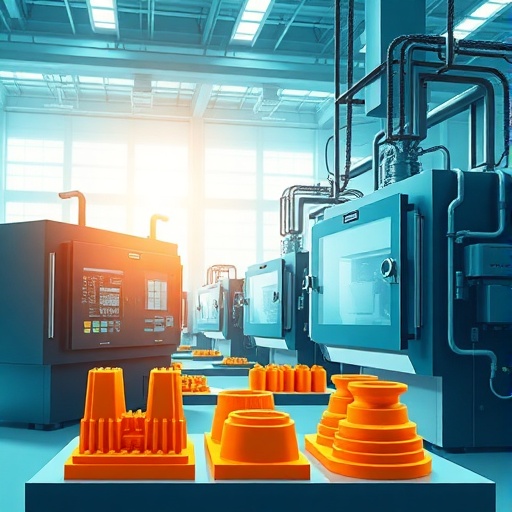
The sequence begins with resin preparation and precise metering into a heated barrel. A piston or screw advances the material into a closed mold under high pressure. Heat activates cross-linking while the part cures inside the cavity. Injection molding thermosets requires controlled temperature profiles to avoid premature gelation. After sufficient cure time, the mold opens and ejector pins release the finished component. Post-cure ovens sometimes finalize properties. Each step demands tight process control to achieve consistent quality. Barrel temperatures typically range from 60°C to 90°C to maintain resin stability, while mold surfaces reach 150°C to 190°C for optimal cure kinetics. Cure times vary from 30 seconds for thin sections to several minutes for thicker parts exceeding 10 millimeters.
Challenges and Solutions in Molding Thermosets
Short pot life and rapid viscosity increase create filling difficulties during injection. Tooling must incorporate efficient heating channels to maintain uniform mold temperatures. Injection molding thermosets benefits from specialized screws that minimize shear while promoting flow. Air entrapment leads to voids, so vacuum-assisted venting solves this issue. Flash removal adds a finishing step absent in many thermoplastic runs. Modern controls and sensor feedback help operators adjust parameters in real time to maintain yield. Additional solutions include using low-pressure compression-injection hybrid processes for delicate inserts and applying mold release coatings to extend tool life beyond 100,000 cycles despite the abrasive nature of filled resins.
Recyclability of Thermoset Materials
Recyclability remains limited because cured thermosets do not melt for reprocessing. Ground scrap serves as filler in new compounds or construction materials. Injection molding thermosets generates less waste than some processes when runners are minimized through hot-runner designs. Emerging chemical recycling methods aim to break cross-links for monomer recovery. Manufacturers focus on process efficiency to reduce scrap at the source. These strategies support circular goals even when full closed-loop recycling stays challenging. Mechanical grinding produces particles sized 50-200 microns that can replace up to 20 percent of virgin resin without compromising mechanical properties when properly surface-treated.
Future Trends in Thermoset Injection Molding
Innovations in Thermoset Polymers
New resin formulations lower cure temperatures and shorten cycle times without sacrificing final properties. Bio-based thermoset polymers enter the market to meet performance and regulatory demands. Injection molding thermosets now incorporates nano-reinforcements that boost toughness and conductivity. These advances open applications in electric vehicle battery enclosures and 5G infrastructure. Researchers continue refining flow characteristics for thinner wall sections. Epoxy and polyester systems derived from renewable feedstocks now achieve comparable Tg values above 120°C while reducing carbon footprints by 30-50 percent compared with petroleum-based predecessors.
Impact of ISO 13485 on Thermoset Applications
ISO 13485 certification drives stricter process validation and traceability in medical device production. Thermoset injection molding facilities adopt enhanced documentation and risk management protocols to comply. This standard ensures consistent quality for surgical tools and diagnostic equipment housings. Injection molding thermosets under ISO 13485 supports regulatory submissions with validated sterilization compatibility. Suppliers gain competitive advantage by demonstrating robust quality systems. Compliance also facilitates integration with automated inspection systems that log every cycle parameter for full traceability over device lifetimes exceeding 10 years.
Sustainability and Environmental Considerations in Plastics Injection Molding
Manufacturers pursue lower-energy cure cycles and reduced volatile emissions during plastics injection molding. Thermoset materials paired with recycled fillers decrease reliance on virgin resins. Injection molding thermosets contributes to lightweighting strategies that cut transportation emissions. Lifecycle assessments guide material selection toward options with smaller environmental footprints. Industry efforts also target end-of-life strategies that maximize material recovery from thermoset parts. Emerging low-VOC resin systems and electric molding machines further reduce energy consumption by 25 percent relative to hydraulic predecessors, aligning with corporate net-zero targets by 2035.
See Also
- The Role of Thermosets in High-Performance Injection Molding Solutions
- Key Considerations for Choosing Thermoset Materials in Plastic Injection Molding
- Thermoplastic vs Thermoset What You Need to Know for Injection Molding
- A Comprehensive Guide to Thermoset Injection Molding Techniques
- Why Thermosets are the Unsung Heroes of Injection Molding Applications