Innovative Approaches to Improving Weldability in Pipeline Girth Welding
Understanding the Importance of Weldability in Pipeline Girth Welding
Defining Weldability in the Context of Girth Welding
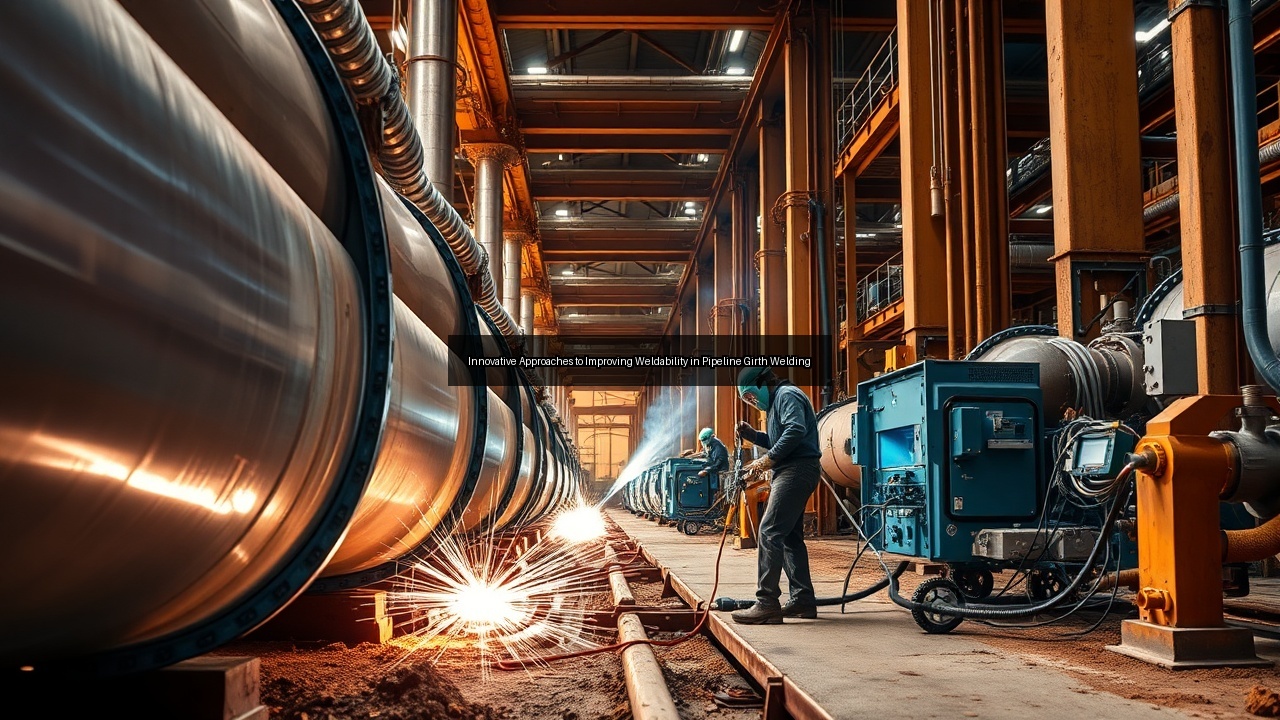
Weldability determines how effectively a welder joins pipe sections during pipeline girth welding without defects that compromise the joint. In girth welding, this means achieving full penetration at the root while maintaining consistent fusion across the circumference of each pipeline section. Engineers assess weldability by examining how base metals respond to heat input, filler materials, and cooling rates specific to pipeline construction. Strong weldability allows crews to complete girth welds that resist cracking under operational stresses. Professionals evaluate it through trial welds that replicate field conditions, focusing on parameters like travel speed and arc stability. When weldability rates high, pipelines deliver reliable performance over decades of service.
Factors Influencing Weldability in Pipeline Construction
Pipeline construction crews face multiple variables that shape weldability during girth welding operations. Pipe diameter, wall thickness, and steel grade directly affect how heat distributes through the joint. Ambient conditions such as wind and humidity alter cooling rates and demand adjustments from the welder. Joint preparation, including bevel angles and alignment, controls the scope for defect formation at the root. Filler metal selection and shielding gas composition further influence fusion quality. Crews monitor these factors in real time to sustain high weldability across long pipeline runs. Proper management of each variable reduces rework and keeps construction schedules on track.
Impact of Weld Quality on Pipeline Integrity
High-quality girth welds preserve pipeline integrity by distributing stresses evenly along the weld metal and heat-affected zone. Deficient welds create stress concentrations that lead to leaks or ruptures under pressure cycles. Weld inspection programs verify that each girth weld meets strength requirements before burial or commissioning. Poor weld quality accelerates fatigue in high-pressure lines and raises maintenance costs over the pipeline lifetime. Operators rely on documented welding procedures to ensure every joint contributes to overall system reliability. Consistent attention to weld quality during construction protects both assets and surrounding environments.
Innovative Welding Techniques for Enhanced Weldability
Friction Stir Welding: A Game Changer for Girth Welds
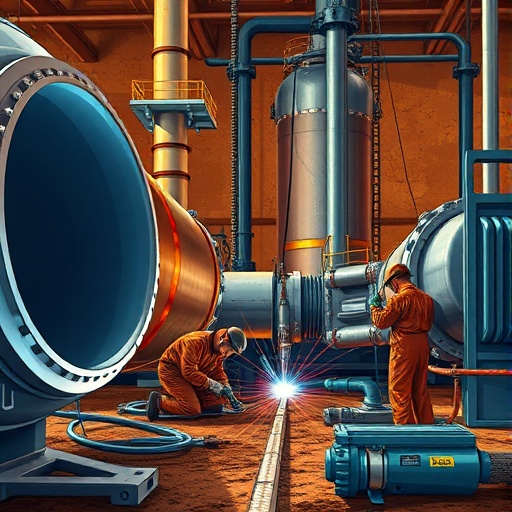
Friction stir welding transforms pipeline girth welding by generating heat through mechanical friction rather than an electric arc. A rotating tool plunges into the abutting pipe ends and traverses the joint, producing a solid-state weld with minimal distortion. This method improves weldability on high-strength steels that traditionally suffer from hydrogen cracking in arc processes. Field trials demonstrate superior tensile strength and toughness in friction stir girth welds compared with conventional techniques. Equipment advances now allow the process on pipes up to 48 inches in diameter. Adoption continues to grow because friction stir welding reduces post-weld heat treatment needs and shortens construction cycles.
Exploring the Use of Plastic in Girth Welds
Plastic deformation plays a central role in controlling residual stresses during pipeline girth welding. Engineers model how weld metal yields under thermal contraction to predict distortion and cracking risks. Controlled plastic strain introduced through specific bead sequences improves weldability by relieving locked-in stresses. Some crews apply localized plastic working after welding to refine grain structure and enhance fatigue resistance. Understanding these plastic mechanisms helps optimize procedures for different pipeline grades. Research into hybrid approaches that combine arc welding with mechanical plastic deformation shows promise for critical girth weld applications.
Temperature Control Methods for Optimal Welding Conditions
Precise temperature management elevates weldability in pipeline girth welding by governing cooling rates and microstructure formation. Preheat torches and induction systems raise pipe temperature uniformly before the welder begins. Interpass temperature limits prevent excessive heat buildup that weakens the joint. Platinum resistance sensors provide accurate readings at the root and cap locations during production welding. Automated control loops adjust heat input when temperatures drift outside target ranges. These methods deliver consistent mechanical properties across every girth weld on long pipeline spreads. Effective temperature control also minimizes the need for costly repairs after welding inspection.
Advanced Inspection Methods for Girth Welds
The Role of Non-Destructive Testing in Weld Inspection
Non-destructive testing forms the backbone of weld inspection programs that verify pipeline girth welding quality without damaging the joint. Techniques such as radiography and magnetic particle testing detect surface and volumetric flaws that visual checks miss. Crews integrate non-destructive testing into the construction sequence immediately after each weld cools. Data from these examinations guide acceptance decisions and trigger repairs when required. Modern digital systems record results for traceability throughout the pipeline lifecycle. Reliable non-destructive testing builds confidence that girth welds meet code and project specifications.
Ultrasonic Testing Techniques for Pipeline Welds
Ultrasonic testing delivers high-resolution imaging of pipeline girth welds by sending sound waves through the weld metal and recording reflections from discontinuities. Phased-array probes scan the entire joint volume from multiple angles while the pipeline remains in place. This approach identifies lack of fusion, porosity, and cracks at the root with greater accuracy than older methods. Automated ultrasonic inspection systems record data for later analysis and comparison against acceptance criteria. Technicians calibrate equipment daily to maintain sensitivity across varying pipe thicknesses. Ultrasonic testing supports faster construction progress because it requires less surface preparation than radiographic alternatives.
Evaluating Girth Weld Inspections: Best Practices
Best practices for girth weld inspection emphasize systematic planning and consistent execution across the pipeline spread. Inspection crews define clear acceptance criteria before welding begins and train personnel on the latest equipment. Documentation captures every indication, its location, and the repair status for audit purposes. Regular audits of inspection results identify trends that allow procedure adjustments to improve weldability. Coordination between welders and inspectors reduces delays while maintaining quality standards. These practices ensure that pipeline girth welding produces joints capable of long-term service under demanding conditions.
Materials and Their Role in Pipeline Girth Welding
Choosing the Right Stainless Steel for Pipeline Applications
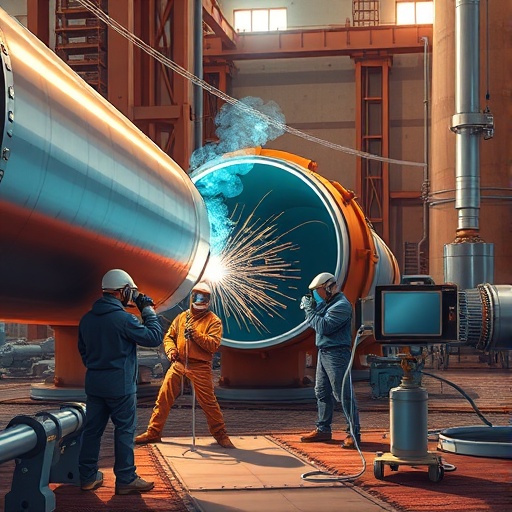
Stainless steel grades selected for pipeline applications must balance corrosion performance with weldability during girth welding. Low-carbon variants reduce sensitization risks in the heat-affected zone while maintaining strength. Matching filler metals prevent galvanic issues at welded joints. Engineers review mill certificates and conduct weldability trials to confirm that chosen stainless steel performs under field conditions. Proper selection supports pipeline integrity in aggressive environments such as sour service or coastal exposure. Material traceability programs track each heat from mill to final girth weld.
Understanding Corrosion Resistance in Welded Joints
Corrosion resistance in pipeline girth welds depends on preserving the passive layer across the weld metal and adjacent base material. Welding procedures that control heat input limit chromium depletion and maintain pitting resistance. Post-weld cleaning removes scale and heat tint that act as initiation sites for corrosion. Operators apply coatings and cathodic protection to supplement the inherent resistance of stainless steel girth welds. Regular monitoring detects early signs of degradation before leaks develop. Effective corrosion management extends the service life of welded pipelines significantly.
The Influence of Alloy Composition on Weld Strength
Alloy composition governs the strength and toughness achieved in pipeline girth welds through its effect on phase transformations during cooling. Higher nickel and molybdenum contents improve resistance to cracking while maintaining yield strength. Microalloying elements such as niobium refine grain size and boost tensile properties. Welders adjust parameters to match the specific chemistry of each pipe heat and ensure consistent weld strength. Laboratory testing verifies that production welds meet minimum requirements before installation. Optimized alloy choices deliver girth welds that perform reliably under cyclic loading and extreme temperatures.
Future Trends in Pipeline Girth Welding and Inspection
Literature Review on Emerging Welding Technologies
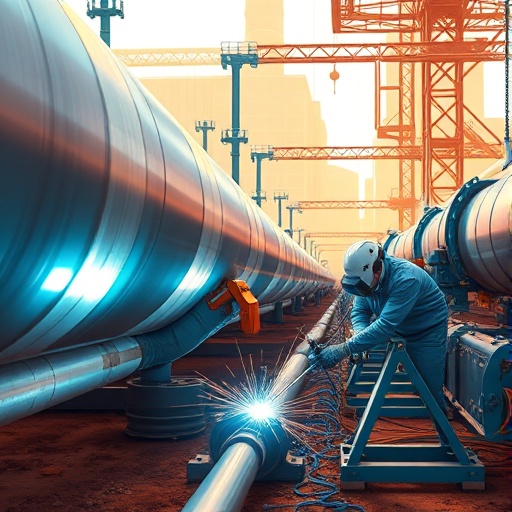
A thorough literature review reveals rapid progress in technologies that enhance weldability for pipeline girth welding. Recent studies explore hybrid laser-arc processes that combine deep penetration with controlled heat input. Researchers document improvements in joint strength and reduced distortion compared with traditional methods. Publications also examine real-time monitoring systems that adjust parameters mid-weld to maintain quality. The collected literature highlights opportunities for automation that reduce dependence on operator skill. Continued review of emerging papers keeps pipeline projects aligned with the latest proven techniques.
The Role of Automation and Robotics in Girth Welding
Automation and robotics increase consistency in pipeline girth welding by executing precise torch movements and parameter control. Orbital welding heads travel around the pipe while maintaining constant arc length and travel speed. Robotic systems integrate sensors that detect joint fit-up variations and compensate automatically. These technologies improve weldability on large-diameter pipelines where manual access proves difficult. Reduced human intervention lowers variability and supports higher daily weld counts during construction. Early adopters report fewer repairs and improved overall project economics.
Innovative Weld Inspection Technologies: A Look Ahead
Innovative weld inspection technologies promise faster, more accurate evaluation of pipeline girth welds in coming years. Artificial intelligence algorithms analyze ultrasonic and radiographic data to flag indications with higher reliability than human interpretation alone. Drone-mounted sensors enable remote inspection of above-ground sections. Portable phased-array units with wireless data transmission speed up field reporting. These advances integrate with digital twins of the pipeline to track weld condition over time. Continued development will further strengthen quality assurance practices in pipeline construction.
See Also
- Exploring the Importance of Weld Inspection in Pipeline Girth Weld Quality
- The Role of Non-Destructive Testing in Ensuring Girth Weld Integrity
- A Deep Dive into Girth Weld Joint Design and Its Implications
- Understanding Girth Weld Procedures for Sustainable Pipeline Construction
- Ultrasonic Testing Techniques to Enhance Girth Weld Evaluation