A Deep Dive into Skid Fabrication Welding Best Practices
Understanding Skid Fabrication in the Oil and Gas Industry
Overview of Modular Process Skids
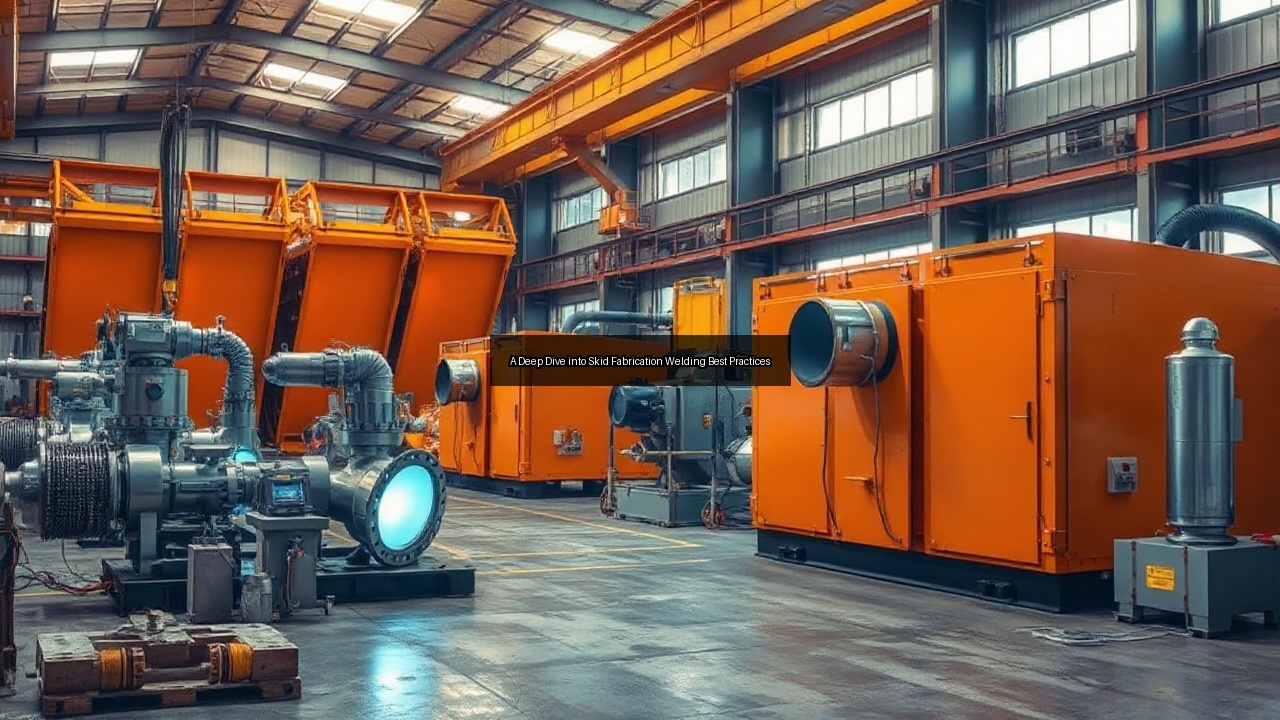
Skid fabrication plays a vital role in the oil and gas industry, particularly through the development of modular process skids. These skids serve as pre-assembled units designed to streamline various processes in oil extraction, refining, and distribution. A modular process skid typically incorporates all the necessary components required for specific operations, such as pumps, valves, separators, and heaters. By consolidating these elements onto a single framework, companies can enhance operational efficiency, reduce installation time, and minimize the overall footprint on-site. Modular process systems also offer the flexibility to adapt to changing requirements, enabling energy companies to respond swiftly to market demands.
Importance of Skid Fabrication in Construction
Skid fabrication is crucial for construction projects within the oil and gas sector. The integration of modular skids into construction projects not only accelerates the timeline but also enhances safety and reliability. Skids can be pre-fabricated in controlled environments, reducing the risk of errors and safety hazards associated with on-site assembly. Furthermore, this approach leads to significant cost savings. By utilizing quality materials and expert machining techniques, companies can ensure that their modular skids meet stringent industry standards. The ability to transport these skids to various job sites also simplifies logistics, allowing for quicker deployment of operations.
Key Players: Manufacturers and Fabricators
The skid fabrication landscape includes several key players, from specialized manufacturers to skilled fabricators. These companies focus on delivering custom skid fabrication services tailored to the specific needs of clients. A reliable skid fabrication company will emphasize collaboration with clients to understand their unique requirements and provide solutions that enhance efficiency and safety. Many manufacturers also invest in advanced technologies to improve the quality and precision of their fabrications. By partnering with an experienced skid fabricator, companies can ensure that their modular skid solutions are built to withstand the rigorous demands of the oil and gas industry.
Best Practices for Skid Fabrication and Welding
Design Considerations for Modular Skids
Effective skid fabrication begins with thoughtful design considerations. When developing a modular skid, a comprehensive understanding of the operational requirements and environmental conditions is essential. Designers must consider factors such as load-bearing capacity, accessibility for maintenance, and compatibility with existing systems. Additionally, incorporating safety features into the design can significantly mitigate risks associated with operation and maintenance. The design phase also involves selecting the appropriate dimensions and configurations that facilitate efficient transport and installation. By adhering to best practices in design, companies can enhance the functionality and durability of their modular skids, ultimately leading to improved operational performance.
Choosing the Right Materials and Alloys
Selecting the appropriate materials and alloys is another critical aspect of skid fabrication. The materials must withstand harsh conditions typical in the oil and gas industry, such as extreme temperatures and corrosive environments. Common materials used in skid fabrication include carbon steel, stainless steel, and specialized alloys. Each material offers unique properties that suit various applications, so understanding the specific requirements of the project is vital. For instance, if a skid will operate in a marine environment, using corrosion-resistant alloys may be necessary. The right choice of materials not only extends the lifespan of the skid but also ensures compliance with industry safety standards.
Welding Techniques and Technologies
Welding serves as a cornerstone of skid fabrication, and employing the right techniques and technologies is essential for achieving high-quality results. Common welding methods used in skid fabrication include MIG, TIG, and Stick welding. Each technique has its advantages, with MIG welding often favored for its speed and efficiency in joining thicker materials. Conversely, TIG welding provides more precision and is ideal for thinner materials. Investing in advanced welding technologies, such as automated welding systems, can enhance consistency and reduce human error. By adhering to proper welding practices, fabricators can ensure strong joints that meet the rigorous demands of the oil and gas industry.
Quality Control and Assurance in Skid Fabrication
Implementing Quality Management Systems
Quality control and assurance are paramount in skid fabrication to ensure that the final products meet industry standards and customer expectations. Implementing robust quality management systems (QMS) allows companies to monitor and improve their processes continuously. A well-structured QMS includes regular inspections, documentation of procedures, and adherence to industry certifications. By fostering a culture of quality, companies can minimize defects, reduce rework, and ultimately enhance customer satisfaction. Regular training for employees on quality practices also plays a significant role in maintaining high standards throughout the fabrication process.
Risk Management Strategies in Fabrication
Effective risk management strategies are essential in skid fabrication to identify, assess, and mitigate potential risks. Fabricators must conduct thorough risk assessments at each stage of the fabrication process. This includes evaluating the risks associated with materials, welding techniques, and environmental factors. Implementing safety protocols and providing training for employees can significantly reduce the likelihood of accidents and injuries. Additionally, maintaining open communication with clients about potential risks and mitigation strategies fosters trust and collaboration. A proactive approach to risk management not only enhances safety but also contributes to overall project success.
Cost-Effective Quality Control Measures
Quality control doesn't have to be a costly endeavor. Companies can implement cost-effective measures to ensure quality without compromising on standards. Utilizing technology, such as non-destructive testing (NDT) methods, can help identify defects early in the fabrication process, preventing costly rework down the line. Additionally, employing skilled inspectors and quality assurance personnel can enhance the effectiveness of quality control efforts. Regular audits of fabrication processes can also help pinpoint areas for improvement while keeping costs in check. By striking a balance between quality and cost, companies can maintain competitiveness in the skid fabrication market.
Navigating the Skid Fabrication Process
The Fabrication Process: Step-by-Step
The skid fabrication process involves several critical steps, each requiring careful attention to detail. First, designers develop a comprehensive plan based on client specifications. This includes creating detailed drawings and selecting appropriate materials. Once the design is approved, the fabrication process begins with machining and cutting materials to the required dimensions. Next, skilled welders join components, ensuring strong and reliable connections. After assembly, rigorous quality control measures are implemented, including inspections and testing to confirm structural integrity. Finally, the skid undergoes finishing processes, such as painting or coating, to protect against environmental factors. This systematic approach ensures that modular skids meet industry standards and client expectations.
Licensing and Regulatory Compliance
Compliance with licensing and regulatory requirements is crucial in skid fabrication. The oil and gas industry is heavily regulated, and companies must adhere to local, national, and international standards. This includes obtaining necessary permits and certifications for fabrication processes and ensuring that all materials used comply with safety regulations. Companies should stay informed about changes in legislation to maintain compliance and avoid potential penalties. Collaborating with experienced legal and regulatory experts can help navigate the complex landscape of compliance, ensuring that the skid fabrication company operates within the law while delivering high-quality products.
Future Trends in Skid Fabrication Services
The skid fabrication industry is evolving rapidly, driven by advancements in technology and changing market demands. One notable trend is the increasing adoption of automation and robotics in the fabrication process, enhancing efficiency and precision. Additionally, the focus on sustainability is leading to the development of eco-friendly materials and practices in skid fabrication. Companies are also exploring innovative design solutions to create more adaptable and modular skid systems. As the oil and gas industry continues to embrace digital transformation, the integration of data analytics and IoT technologies into skid fabrication processes promises to improve monitoring and performance tracking. Staying ahead of these trends can provide a competitive edge in the ever-evolving landscape of skid fabrication services.
See Also
- Risk Management Strategies in Skid Fabrication for the Oil Industry
- Exploring the Latest Technologies in Skid Fabrication for Enhanced Safety
- Essential Tools and Equipment for Skid Fabrication Shops
- Comparing Skid Fabrication Services from Leading Manufacturers
- Cost-Effective Solutions in Modular Skid Fabrication for Competitive Industries