Demystifying Lubricant Grease Myths for Better Machinery Care
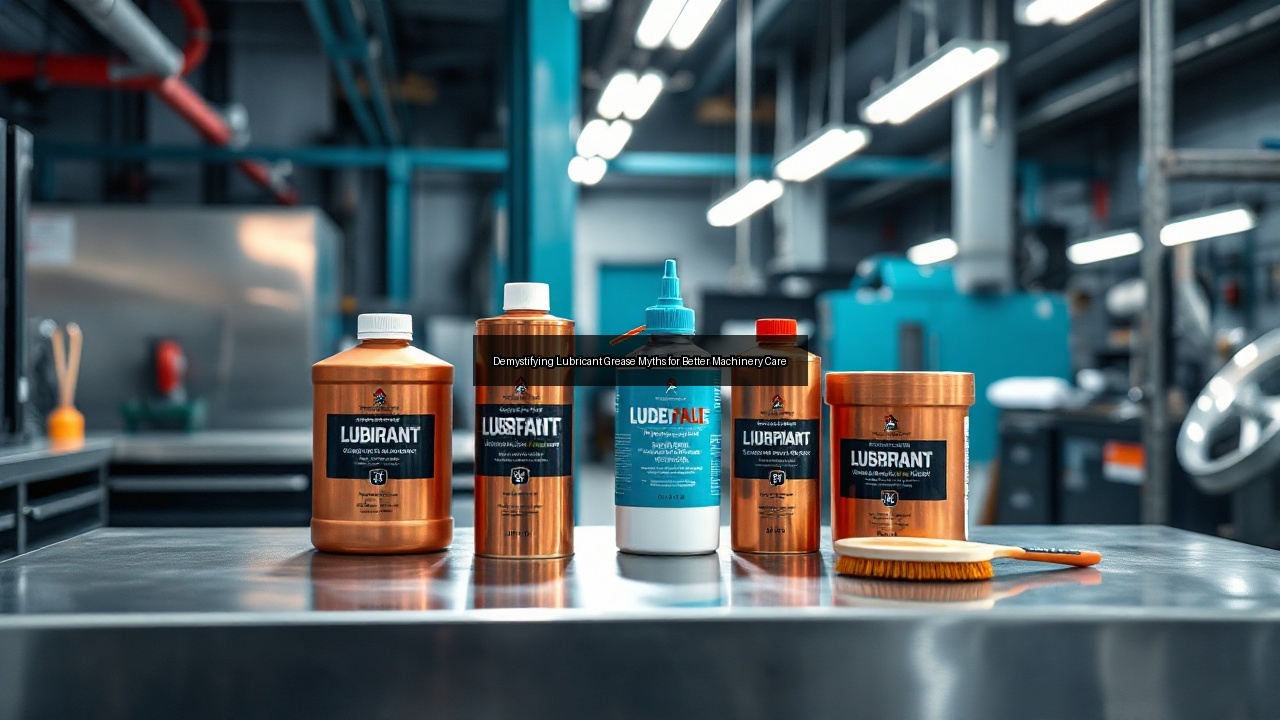
Understanding Lubricant Grease: A Foundation for Machinery Care
What is Lubricant Grease?
Lubricant grease serves as a crucial element in machinery maintenance, combining a thickening agent with oil to create a semi-solid substance. This unique consistency allows grease to adhere to surfaces and provide long-lasting lubrication, enhancing the performance and extending the life of machines. It reduces friction between moving parts, which minimizes wear and tear. Unlike liquid lubricating oil, grease remains in place, creating a protective barrier against contaminants such as dust and moisture. This characteristic makes lubricant grease especially valuable in environments where traditional oils might not suffice or could easily wash away.
Types of Lubricant Grease: From Lithium to Silicone
Several types of lubricant grease exist, each formulated for specific applications. Lithium grease stands out for its versatility and resistance to water, making it ideal for general-purpose use in automotive and industrial settings. Silicone grease, often referred to as silicone lubricant, excels in applications requiring high-temperature stability and is non-reactive with plastics and rubber. It’s perfect for lubricating plastic gears and seals. products designed to reduce wear and maintenance Other specialized greases include marine grease, designed for protection against saltwater corrosion, and food-grade grease, which meets FDA standards for safety in food processing environments. Understanding these variations helps in choosing the right grease for any machinery need.
The Role of Lubricating Oil in Machinery
Lubricating oil plays a complementary role to grease in machinery care. While grease provides a thicker, more stable option for certain components, lubricating oil is essential for parts that require free-flowing lubrication, such as engine internals and hydraulic systems. In many cases, a combination of both grease and oil can optimize performance, with oil providing cooling and cleaning properties while grease offers protection against wear. Furthermore, selecting the right lubricating oil, whether greases formulated to protect industrial equipment it's for the bearings of a machine or the hinges of a tool, is critical for maintaining efficiency and prolonging component life.
Debunking Common Myths About Lubricant Grease
Myth 1: All Greases are the Same
This myth simplifies the complexities of lubricant grease. While greases may appear similar, their formulations vary significantly based on intended applications. For instance, lithium grease is effective in high-load scenarios, while silicone grease is preferred for delicate machinery that requires chemical resistance. The thickening agents, base oils, and additives used in greases can affect temperature tolerance, water resistance, and even compatibility with materials like rubber or plastic. Therefore, understanding the specific needs of your machinery is vital to selecting the correct grease lubricant, ensuring optimal performance and longevity.
Myth 2: Grease is Only for High-Temperature Applications
Another misconception is that grease only functions effectively in high-temperature settings. In reality, lubricant grease serves various temperature ranges. While certain greases are engineered to withstand extreme heat, others are formulated to perform well in cooler conditions and even under high-moisture operations. For example, marine greases resist corrosion and protect against rust, even in humid environments. Selecting the right grease involves considering not just temperature but also environmental factors such as moisture exposure, load conditions, and the type of machinery being lubricated.
Myth 3: More Grease is Always Better
Applying excessive grease can lead to numerous problems, including increased friction, overheating, and even damage to the machinery. Each component has a specific grease requirement, and over-lubrication can cause seals to fail and lead to grease oozing out, which attracts dirt and debris. Proper maintenance practices dictate that operators should follow manufacturer recommendations regarding the amount and frequency of grease application. Using the right tools, such as a grease gun with an adjustable flow rate, can help apply the correct amount without risking over-lubrication.
Choosing the Right Lubricant Grease for Optimal Performance
Factors to Consider: Temperature, Moisture, and Load
Choosing the right lubricant grease requires an understanding of various factors. Temperature plays a critical role; high-performance options are available for demanding applications that experience extreme heat or cold. Moisture levels also influence grease selection; greases formulated to protect bearings under extreme pressure often contain special additives to enhance water resistance. Load conditions, whether light or heavy, dictate the thickness and type of grease required. Understanding these factors enables operators to select lubricants that not only meet but exceed performance requirements, leading to longer component life and reduced maintenance costs.
Grease Selection for Bearings and Other Components
Grease selection for specific components, such as wheel bearings and plastic gears, is crucial for maintaining machinery efficiency. Wheel bearings, for instance, benefit from high-quality lithium grease, offering excellent protection under heavy loads and high speeds. Conversely, when lubricating a plastic gear, silicone grease is preferable due to its compatibility with non-metallic materials. Each application demands careful consideration of the grease's properties, including its viscosity, ability to withstand wear, and any additives that might enhance performance. This tailored approach ensures reliable operation and minimizes the risk of equipment failure.
High-Performance Options for Demanding Applications
High-performance greases cater to the needs of demanding applications such as industrial machinery and fleet vehicles. Formulations that extend service intervals and reduce wear are essential for machinery operating in severe conditions. Advanced thickeners and specialized additives enhance the grease's ability to protect against friction and corrosion. Options like ceramic greases provide reliable protection for open gears and chassis, ensuring smooth operation even in challenging environments. Selecting the right high-performance grease lubricant leads to improved uptime and efficiency, making it a worthwhile investment for any machinery operator.
Best Practices for Lubricating Machinery with Grease
Application Techniques: Tools and Methods
Effective lubrication hinges on proper application techniques. Using a grease gun allows for precise application, ensuring that the right amount of grease reaches critical components without excessive buildup. Operators should also employ methods like the “grease needle” for hard-to-reach areas. Regular inspection of lubrication points helps identify maintenance needs before they escalate into costly repairs. Adopting a systematic approach to lubrication not only improves equipment reliability but also contributes to overall safety in the workplace, making it an essential practice in machinery care.
Maintenance Tips to Extend Component Life
Maintenance practices play a vital role in extending the life of machinery components. Regularly scheduled lubrication checks help ensure that components receive adequate grease without the risk of over-lubrication. Operators should also monitor for signs of wear, such as unusual noise or increased friction, which might indicate a need for maintenance. Additionally, keeping machinery clean and free from contaminants will enhance the effectiveness of the lubricant grease. Implementing these maintenance tips fosters a proactive approach to equipment care, leading to enhanced performance and reduced downtime.
Innovative Products: Grease Lubricants for Every Need
The market offers an array of innovative grease lubricants tailored to meet diverse needs. From food-grade greases safe for food processing to specialized formulations designed for agriculture and marine applications, operators have access to products that cater to unique requirements. Brands like WD-40 and B'laster provide aerosol options in various sizes, such as 2 oz, 11 oz, and 14 oz, making it easy to select the right product for specific tasks. Exploring these innovative solutions equips machinery operators with the tools needed to ensure optimal performance and longevity, regardless of the application.