Elevate Your Engineering Projects with Electropolished Stainless Steel
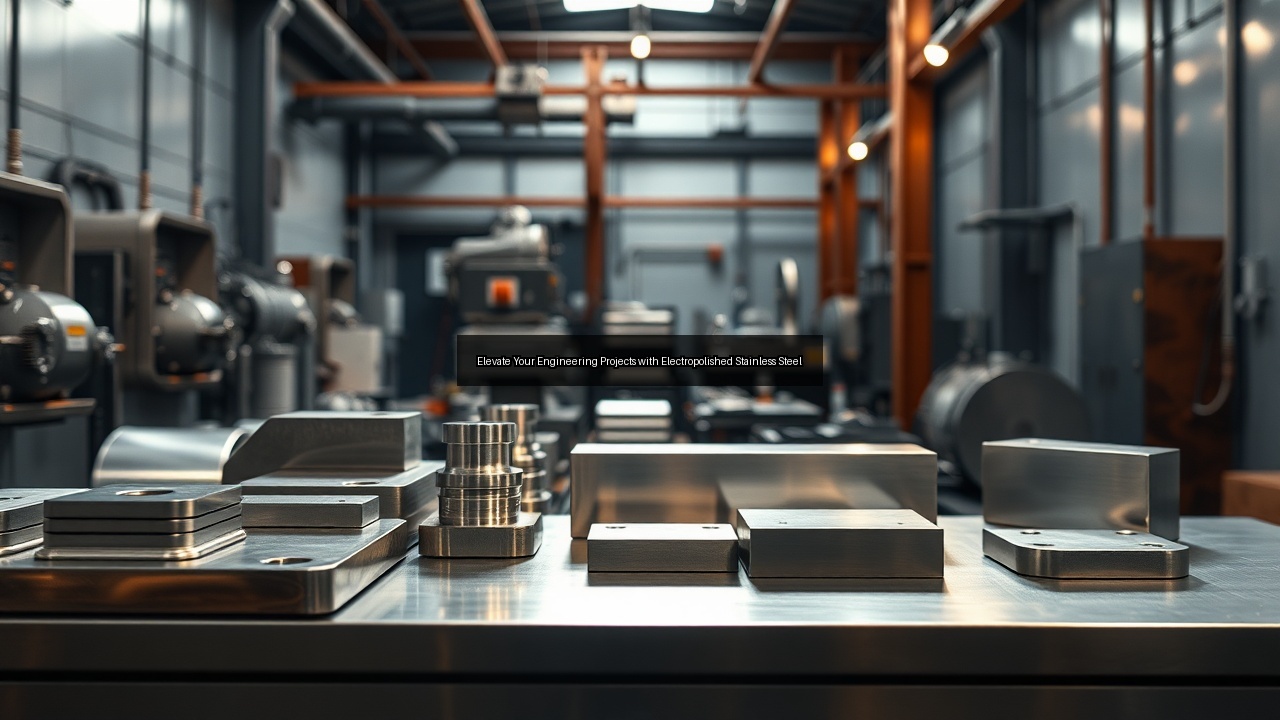
Understanding Electropolished Stainless Steel
What is Electropolishing?
Electropolishing stands as a vital process in the realm of metal finishing, particularly for stainless steel products. This electrochemical technique removes a thin layer of material from the surface of metals, resulting in a smoother and more refined finish. The process not only enhances aesthetics but also improves the functional characteristics of the metal. During electropolishing, the stainless steel is immersed in an acidic electrolyte solution, where a direct current passes through. This action causes the high points of the surface to dissolve more quickly than the low points, leading to a mirror-like finish. The result is a clean, bright surface that resists tarnishing and corrosion, making it an excellent choice for engineering applications.
The Process of Electropolishing Stainless Steel
The process of electropolishing stainless steel involves several key steps. First, manufacturers prepare the stainless steel parts by cleaning them to remove any contaminants or residues. This step is crucial, as any impurities can affect the outcome of the electropolishing process. Next, the parts are submerged in an electrolytic bath containing a mixture of acids, commonly sulfuric and phosphoric acids. The stainless steel components serve as the anode in the circuit, while the cathode is typically a stainless steel plate or rod. When the electric current flows, the surface material is selectively removed. The duration of this process can vary, depending on the desired finish and the thickness of the stainless steel. After electropolishing, parts undergo rinsing and passivation to enhance their corrosion resistance further.
Types of Stainless Steels Suitable for Electropolishing
Not all stainless steels are equally suited for electropolishing. Certain grades, particularly those with high chromium and nickel content, perform exceptionally well during this process. Among these, 316L stainless steel stands out due to its excellent corrosion resistance and mechanical properties, making it a popular choice in various engineering applications. Other suitable types include 304 and 430 stainless steels, each offering unique benefits. For instance, 304 stainless steel is widely used for its versatility, while 430 is more cost-effective for applications requiring moderate corrosion resistance. Understanding the specific properties of these stainless steels helps manufacturers choose the right materials for their engineering projects and ensures optimal results from electropolishing services.
Benefits of Electropolishing in Engineering Projects
Enhanced Corrosion Resistance of Electropolished Stainless Steel
Electropolishing significantly enhances the corrosion resistance of stainless steel products. The process effectively removes surface impurities and oxides, resulting in a smooth, clean surface. This surface finish reduces the likelihood of corrosion by minimizing crevices where moisture and contaminants can accumulate. Electropolished stainless steel, particularly 316L, is ideal for environments exposed to harsh chemicals, high humidity, and extreme temperatures. In engineering projects, utilizing electropolished components not only prolongs the lifespan of the materials but also reduces maintenance costs. Industries such as pharmaceuticals, food processing, and marine applications benefit immensely from the improved corrosion resistance, ensuring the integrity of their products in challenging conditions.
Improved Surface Finish and Aesthetics
The aesthetic appeal of electropolished stainless steel cannot be overstated. The process yields a bright, mirror-like finish that enhances the visual quality of components. This polished appearance is not just for looks; it also contributes to functionality. A smooth surface finish reduces friction and minimizes the adherence of contaminants, making electropolished products easier to clean and maintain. In engineering, where precision and cleanliness are paramount—such as in medical devices or aerospace components—this benefit is invaluable. The refined surface finish also enhances the overall quality perception of the product, appealing to clients who prioritize both performance and aesthetics. Thus, electropolishing serves as a dual-purpose solution, marrying functionality with visual excellence.
Functionality in Semiconductor Applications
Electropolished stainless steel plays a crucial role in semiconductor manufacturing. The semiconductor industry demands high-purity materials due to the sensitive nature of the components involved. Electropolishing enhances the cleanliness of stainless steel surfaces by removing contaminants that could compromise product integrity. The smooth surface finish minimizes particle retention, which is vital in environments where even the smallest particles can lead to defects. Furthermore, electropolished components exhibit superior electrical properties, making them preferable for various applications in semiconductor fabrication. As the demand for advanced technology continues to rise, the need for reliable electropolishing stainless steel services becomes increasingly critical in maintaining the quality and efficiency of semiconductor manufacturing processes.
Choosing the Right Electropolishing Service
Key Considerations for Selecting Manufacturers
Selecting an electropolishing service requires careful consideration of several factors. First, evaluate the manufacturer’s experience and expertise in the field. Look for companies that specialize in stainless steel electropolishing and have a proven track record of successful projects. Additionally, consider the range of services they offer. A reputable manufacturer should provide comprehensive solutions, including pre-treatment, electropolishing, and post-treatment services. It is also essential to assess their equipment and technology. Advanced machinery ensures consistent quality and precision in the electropolishing process. Lastly, customer feedback and testimonials can provide valuable insights into the manufacturer's reliability and service quality, helping you make an informed decision.
Quality Standards and Certifications
Quality standards and certifications serve as benchmarks for evaluating electropolishing services. Manufacturers should adhere to industry standards such as ISO 9001, which outlines quality management principles. This certification indicates that the company maintains strict quality control measures throughout its processes. Additionally, look for certifications specific to the industry, such as FDA compliance for medical applications or ASME standards for aerospace projects. These certifications ensure that the electropolished stainless steel products meet the necessary regulatory requirements and safety standards. In industries where precision and reliability are critical, partnering with certified manufacturers guarantees that you receive high-quality components that meet the highest safety and performance criteria.
Cost Factors and Project Timelines
Cost factors and project timelines significantly influence the selection of electropolishing services. Understand that pricing can vary based on factors such as material type, project complexity, and volume. While it might be tempting to choose the lowest-cost option, consider the overall value, including quality, turnaround time, and the reputation of the manufacturer. Discuss project timelines upfront to ensure they align with your engineering schedule. Reliable manufacturers provide clear timelines and communicate any potential delays. Establishing a solid partnership with your electropolishing service can lead to smoother project execution and higher satisfaction with the final products.
Applications of Electropolished Stainless Steel
Industries Utilizing Electropolished Metals
Electropolished stainless steel finds applications across various industries due to its unique properties. The pharmaceutical industry relies on electropolished components for manufacturing equipment that must meet stringent cleanliness standards. In food processing, electropolished surfaces ensure that equipment is easy to clean, minimizing the risk of contamination. The aerospace and automotive sectors benefit from the lightweight and corrosion-resistant properties of electropolished stainless steel, enhancing the overall performance and durability of their components. Additionally, the chemical processing industry utilizes electropolished metals to withstand harsh environments, ensuring reliable operation over time. This versatility showcases the critical role of electropolished stainless steel in modern engineering projects.
Case Studies: Successful Engineering Projects
Several engineering projects highlight the advantages of electropolished stainless steel. One notable example involves a pharmaceutical company that required specialized equipment for vaccine production. The equipment's electropolished surfaces facilitated easy cleaning and maintenance, adhering to strict regulatory standards. Another case study features an aerospace manufacturer that utilized electropolished components in aircraft engines. The improved corrosion resistance and surface finish significantly enhanced engine performance and longevity. These cases demonstrate how electropolishing not only meets but exceeds industry requirements, providing tangible benefits in functionality and reliability for engineering projects.
Future Trends in Electropolishing Technology
Future trends in electropolishing technology suggest a promising evolution in the field. Innovations in automation and robotics are streamlining the electropolishing process, enhancing efficiency and consistency. Furthermore, advancements in environmentally friendly electrolytes are reducing the environmental impact of the electropolishing process, aligning with sustainability goals in manufacturing. Researchers are also exploring new techniques to improve surface finish and corrosion resistance further. As industries continue to demand higher quality and performance from materials, the evolution of electropolishing services will play a pivotal role in meeting these challenges. Staying ahead of these trends will be crucial for manufacturers aiming to remain competitive in a rapidly changing market.
See Also
- The Science Behind Electropolishing and Its Impact on Stainless Steel
- Electropolishing vs Traditional Polishing Which is Best for Stainless Steel
- The Importance of Electropolishing in the Food and Beverage Industry
- Electropolishing as a Solution for Stainless Steel in Harsh Environments
- How Electropolishing Enhances the Performance of 316L Stainless Steel