Exploring the Precision of Wire Forming Machines in Modern Manufacturing
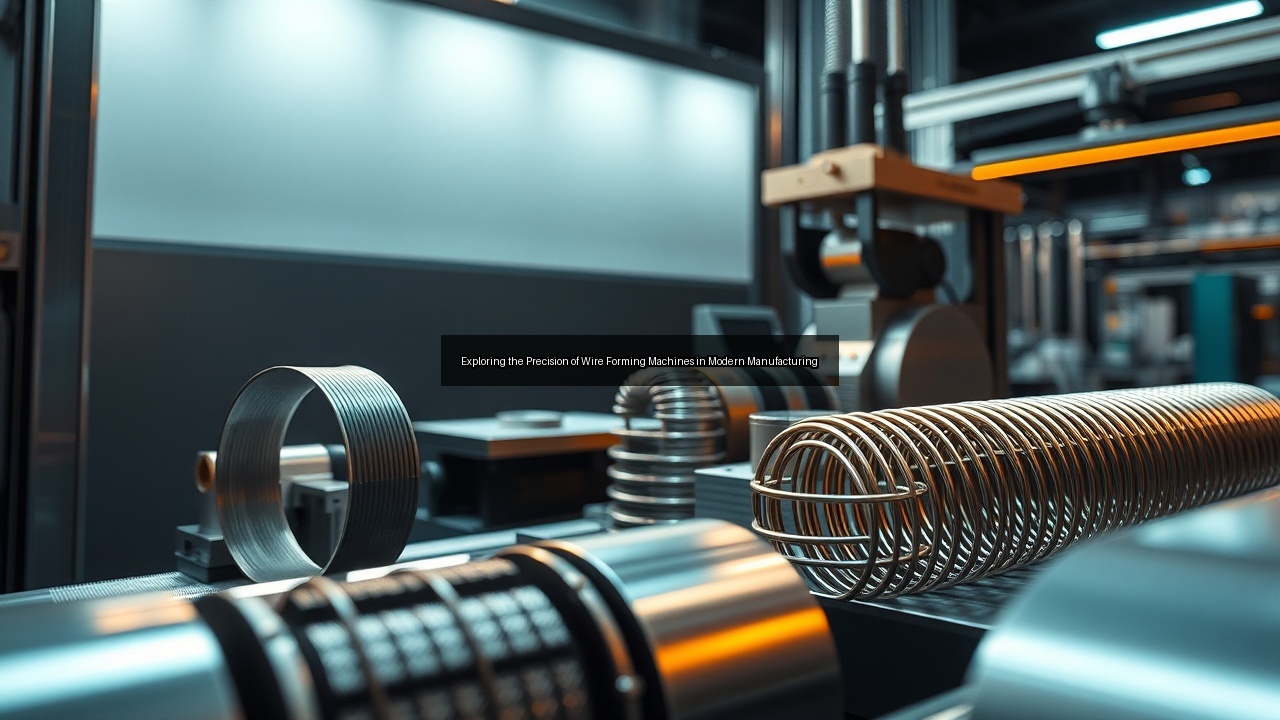
Understanding Wire Forming Machines and Their Role in Modern Manufacturing
Overview of Wire Forming Technology
Wire forming technology encompasses a range of processes designed to manipulate metal wires into specific shapes and configurations. This technology plays a crucial role in modern manufacturing, enabling the production of a wide variety of components used across multiple industries. From coil springs to custom wire shapes, wire forming machines provide manufacturers with the ability to produce intricate designs with high precision. The evolution of these machines has led to improvements in speed, efficiency, and accuracy, making them indispensable in today's fast-paced manufacturing environments. Manufacturers increasingly rely on wire forming to create parts that meet stringent performance and quality standards, ensuring the reliability of the final products.
Key Features of Wire Forming Machines
Wire forming machines incorporate several key features that enhance their functionality and precision. First and foremost, these machines accommodate various wire diameters, allowing manufacturers to work with materials ranging from thin wires to thicker steel rods. Advanced wire forming machines utilize Computer Numerical Control (CNC) technology, which automates the formation process for higher accuracy and repeatability. This technology enables operators to program complex shapes and tolerances, reducing the potential for human error. Furthermore, many machines offer specialized tooling that can perform multiple functions, such as bending, twisting, and threading, all in one operation. This versatility minimizes production time and maximizes efficiency, essential in competitive manufacturing sectors.
Importance of Precision in Wire Forming
Precision stands as a critical factor in wire forming, directly impacting the quality and functionality of the final products. High tolerances in wire forming ensure that components fit correctly and function as intended, particularly in applications where performance wire forming method is paramount, such as aerospace and engineering sectors. A slight deviation in measurements can lead to product failure, increased maintenance costs, or safety hazards. Manufacturers emphasize precision in every stage of the wire forming process, from initial design and prototyping to final production. By utilizing advanced wire forming methods and technology, manufacturers can produce wire formed parts that consistently meet the required specifications, building trust with clients and end-users alike.
Applications and Industries Benefiting from Wire Forming
Aerospace Applications for Wire Forms
Aerospace applications represent one of the most demanding sectors for wire forming technology. Components such as brackets, fasteners, and custom wire shapes play integral roles in aircraft construction and maintenance. The aerospace industry requires materials that can withstand extreme conditions, including high temperatures and corrosive environments. Stainless steel, known for its durability and resistance to corrosion, often serves as the material of choice for wire formed parts in this sector. Manufacturers must adhere to strict regulatory standards, ensuring that every wire formed piece meets rigorous safety and performance criteria. The ability to produce lightweight yet sturdy wire forms enhances fuel efficiency and overall aircraft performance, making wire forming essential in modern aerospace design and engineering.
Engineering and Prototyping with Wire Formed Parts
Engineering and prototyping benefit significantly from the capabilities of wire forming machines. Engineers often require custom wire shapes to test concepts and validate designs before mass production. Wire forming allows for quick iterations of prototypes, enabling teams to refine their designs based on real-world feedback. The flexibility of wire forming processes means that engineers can experiment with various shapes and configurations without the need for extensive tooling changes. This adaptability accelerates the prototyping phase, allowing for faster time-to-market for new products. Furthermore, manufacturers can leverage wire forming services to produce low-volume runs of specialized parts, providing critical support during the development stages of innovative projects.
Common Materials Used in Wire Forming: Stainless Steel and More
Wire forming employs a variety of materials, each selected based on the specific requirements of the application. Stainless steel remains a popular choice due to its strength, corrosion resistance, and versatility. This material's properties make it suitable for various industries, from automotive to electronics. Other materials used in wire forming include carbon steel, aluminum, and brass, each offering unique advantages in terms of weight, cost, and performance. The choice of material significantly affects the wire forming process, influencing factors such as tooling, machine settings, and the final product's durability. Understanding the characteristics of each material helps manufacturers optimize their wire forming capabilities, ensuring the right wire form is produced for every application.
The Wire Forming Process: Techniques and Capabilities
Wire Shaping Methods: From Extrusion to Threading
The wire forming process involves various techniques that transform raw wire into desired shapes. Extrusion serves as one popular method where heated metal is forced through a die to create specific profiles. This technique is efficient for producing long lengths of wire forms with consistent cross-sections. Another common method is threading, which involves creating helical grooves along the wire to facilitate fastening applications. Bending, coiling, and twisting are also integral parts of the wire shaping process, allowing manufacturers to create complex geometries that meet diverse design specifications. Each technique carries its own set of advantages and limitations, prompting manufacturers to choose the method that best suits their production needs and desired outcomes.
Understanding Tolerances in Wire Forming
Tolerances refer to the allowable deviations from specified dimensions in wire forming processes. Understanding and controlling tolerances is essential for ensuring that wire formed parts fit together correctly and function as intended. Manufacturing processes often require tight tolerances, particularly in precision-engineered applications. The ability to maintain these tolerances relies on the expertise of the operators, the quality of the machinery, and the consistency of the materials used. Advanced wire forming machines equipped with CNC technology can achieve high precision levels, minimizing variations and enhancing product reliability. Manufacturers invest time and resources into measuring and testing tolerances throughout the production cycle to guarantee that every wire formed part meets the expected performance criteria.
Computer Numerical Control (CNC) in Wire Forming
Computer Numerical Control (CNC) technology revolutionizes the wire forming process, allowing for unparalleled precision and efficiency. CNC machines automate the shaping of wire, using programmed instructions to control the movement of the machinery. This automation reduces the likelihood of human error and increases consistency across batches of wire formed parts. CNC systems can execute complex designs and tolerances that would be challenging to achieve manually, making them invaluable in high-volume production settings. Additionally, manufacturers can easily adapt CNC programs for different wire shapes, enabling quick transitions between projects. The integration of CNC technology into wire forming not only streamlines production but also enhances the overall quality of formed wire components.