How Neoprene Mounts Enhance Compressor Performance in HVAC Systems
Understanding HVAC Neoprene Mounts
What are Neoprene Mounts?
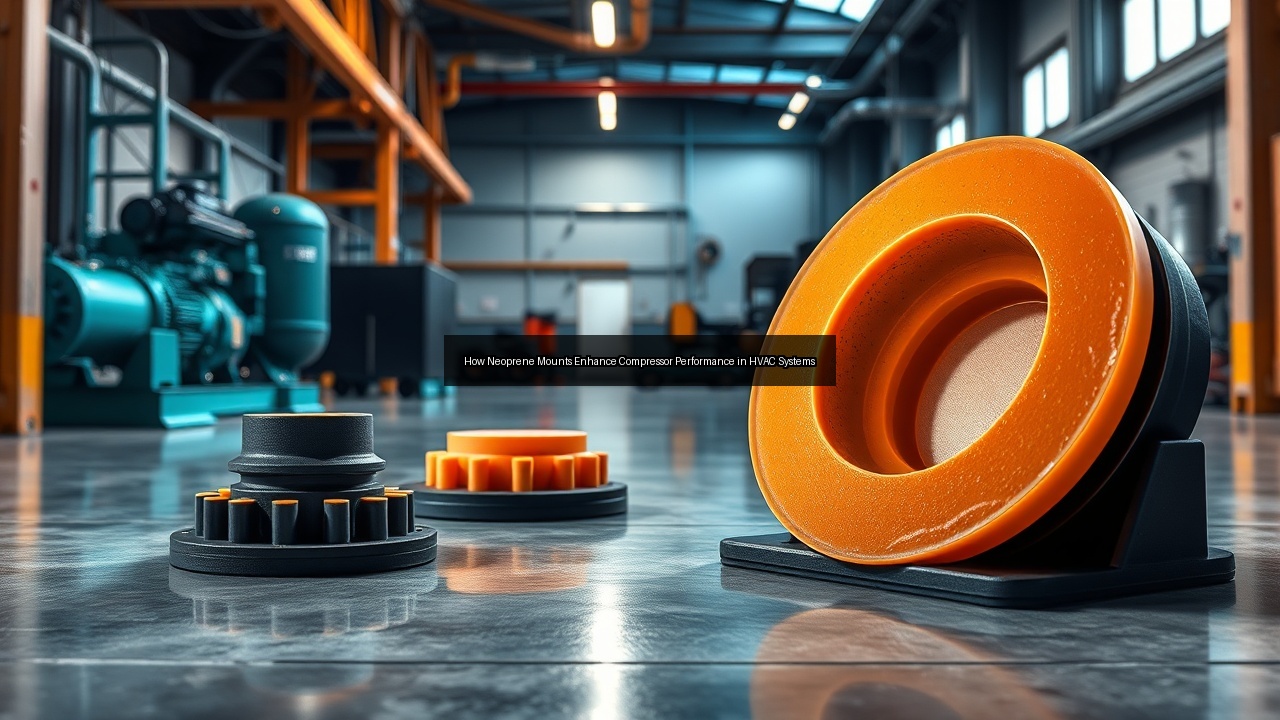
Neoprene mounts serve as essential components in HVAC systems, particularly for compressors. These mounts are made from neoprene rubber, a synthetic elastomer known for its durability and versatility. Neoprene mounts absorb vibrations and shocks produced during compressor operation, providing stability and reducing wear and tear on the equipment. They support the compressor by anchoring it securely to the floor or base, preventing unnecessary movement that could lead to mechanical failures. The effectiveness of neoprene mounts makes them a popular choice for both residential and commercial HVAC systems, contributing significantly to overall system performance.
Key Properties of Neoprene in HVAC Applications
Neoprene boasts several properties that make it ideal for HVAC applications. Its resilience against environmental factors such as heat, cold, and moisture ensures longevity in various conditions. Neoprene also exhibits excellent vibration-damping capabilities, which is crucial for compressors that operate at high RPM. Additionally, its resistance to oils, chemicals, and ozone enhances its usability in diverse environments, including industrial settings where compressors might be exposed to harsh substances. The ability to maintain its performance over a wide temperature range further solidifies neoprene's status as a reliable choice for mounting solutions in HVAC systems.
Comparison with Other Mounting Materials
When comparing neoprene mounts to other mounting materials, such as metal or plastic, neoprene stands out due to its superior vibration isolation properties. Metal mounts may provide stability but often transmit vibrations, leading to potential structural damage and noise. Conversely, plastic mounts may not withstand extreme conditions and can degrade faster. Neoprene’s unique combination of flexibility and strength allows it to absorb shocks while maintaining its shape, making it a more effective choice for applications involving compressors. This advantage reduces the risk of shear forces acting on the compressor and enhances the lifespan of the entire HVAC system.
The Role of Neoprene Mounts in Enhancing Compressor Performance
Vibration Isolation and Its Importance in HVAC Systems
Vibration isolation is critical in HVAC systems, particularly for compressors. Excessive vibrations can lead to operational inefficiencies, increased wear on mechanical components, and even premature failure. Neoprene mounts excel in this area by effectively absorbing vibrations generated during compressor operation. By minimizing the transmission of vibrations to the surrounding structure, these mounts protect not only the compressor but also adjacent components, such as clutches and belt drives. This isolation allows the HVAC system to operate more quietly and efficiently, ultimately enhancing overall performance and comfort in the environment it serves.
Impact on RPM and Operational Efficiency
Properly installed neoprene mounts significantly influence the RPM of compressors and their operational efficiency. When vibrations are effectively dampened, the compressor can maintain a steady RPM, leading to more consistent performance. Fluctuations in RPM often result in energy inefficiencies, as the compressor struggles to compensate for the vibrations. Neoprene mounts help stabilize the compressor, allowing it to operate within its optimal RPM range. This stability translates into lower energy consumption and reduced operational costs, making HVAC systems with neoprene mounts more sustainable and cost-effective over time.
Reducing Shear Forces during Compressor Operation
Shear forces can adversely affect the performance and longevity of compressors. When a compressor vibrates excessively, these forces can lead to misalignments, damaging gears and other critical components. Neoprene mounts mitigate this risk by providing a cushioning effect that absorbs and dissipates shear forces. This not only protects the compressor but also reduces the likelihood of mechanical failures that could disrupt HVAC operations. By ensuring that shear forces are minimized, neoprene mounts contribute to a more reliable and efficient HVAC system, ultimately enhancing the service life of the compressor and its associated parts.
Applications and Benefits of Neoprene Mounts in HVAC Systems
Mounting Solutions for Various Equipment
Neoprene mounts offer versatile mounting solutions for various types of HVAC equipment beyond just compressors. These mounts are suitable for fans, pumps, and other machinery that benefit from vibration isolation. Their adaptability allows for easy integration into different setups, whether in residential systems or large industrial installations. The flexibility in design ensures that HVAC professionals can find the right neoprene options to suit specific applications. This broad applicability helps maintain system integrity and performance across diverse environments, proving the importance of neoprene mounts in modern HVAC technology.
Sustainability and Environmental Considerations
Sustainability plays a crucial role in modern HVAC system design. Neoprene mounts contribute to this goal by enhancing energy efficiency and reducing noise pollution. By minimizing vibrations and improving compressor performance, these mounts help lower energy consumption. Additionally, neoprene is a material that can be recycled, thereby reducing waste. As HVAC manufacturers and contractors increasingly focus on sustainable practices, neoprene mounts represent a responsible choice that aligns with environmentally friendly goals. Their long-lasting properties further reduce the need for frequent replacements, contributing to lower environmental impact over the life of the system.
Innovative Designs: Sandwich and Foam Structures
Recent advancements in neoprene technology have led to innovative designs such as sandwich and foam structures. Sandwich mounts combine layers of neoprene with other materials to enhance their vibration-damping properties, providing superior isolation compared to standard mounts. Foam structures, on the other hand, utilize the lightweight and flexible characteristics of neoprene to create highly effective vibration isolators. These designs cater to specific HVAC requirements, offering tailored solutions for various compressor models and applications. By incorporating these innovative designs, HVAC systems can achieve optimal performance and efficiency, ensuring reliable operation across a range of conditions.
Installation and Maintenance of Neoprene Mounts
Best Practices for Mounting Compressors
Proper installation of neoprene mounts is crucial for maximizing their effectiveness in HVAC systems. Begin by ensuring that the mounting surface is clean, dry, and level to provide optimal support. Align the compressor correctly with the mounts to prevent unnecessary stress on the mounts and the compressor itself. Tighten the mounting bolts evenly hvac neoprene mounts to avoid misalignment, which can lead to increased vibrations. Following these best practices ensures that the neoprene mounts function effectively, contributing to improved performance and longevity of the compressor and the entire HVAC system.
Self-Adhesive Options for Easy Installation
For those seeking convenience, self-adhesive neoprene mounts provide an easy installation alternative. These mounts come with a pre-applied adhesive backing, allowing for quick and straightforward mounting without the need for additional tools or hardware. Ideal for both DIY enthusiasts and professional HVAC technicians, self-adhesive options save time and reduce installation complexity. This feature is particularly beneficial in tight spaces where traditional mounting may be cumbersome. Self-adhesive neoprene mounts maintain strong adhesion, ensuring reliable performance while simplifying the overall installation process.
Regular Maintenance Tips for Longevity
Maintaining neoprene mounts is essential for ensuring their longevity and effectiveness. Regular inspections should include checking for signs of wear, such as cracks or deterioration of the neoprene material. Keep the mounts clean and free from debris, as accumulated dirt can affect their performance. Lubricate any moving parts associated with the mounts to reduce friction and wear. Implementing a routine maintenance schedule can prevent premature failures and extend the life of both the mounts and the HVAC system. Addressing issues promptly can save time and costs associated with repairs or replacements.