Machining Pneumatic Valves for Enhanced Gas Control in Industry
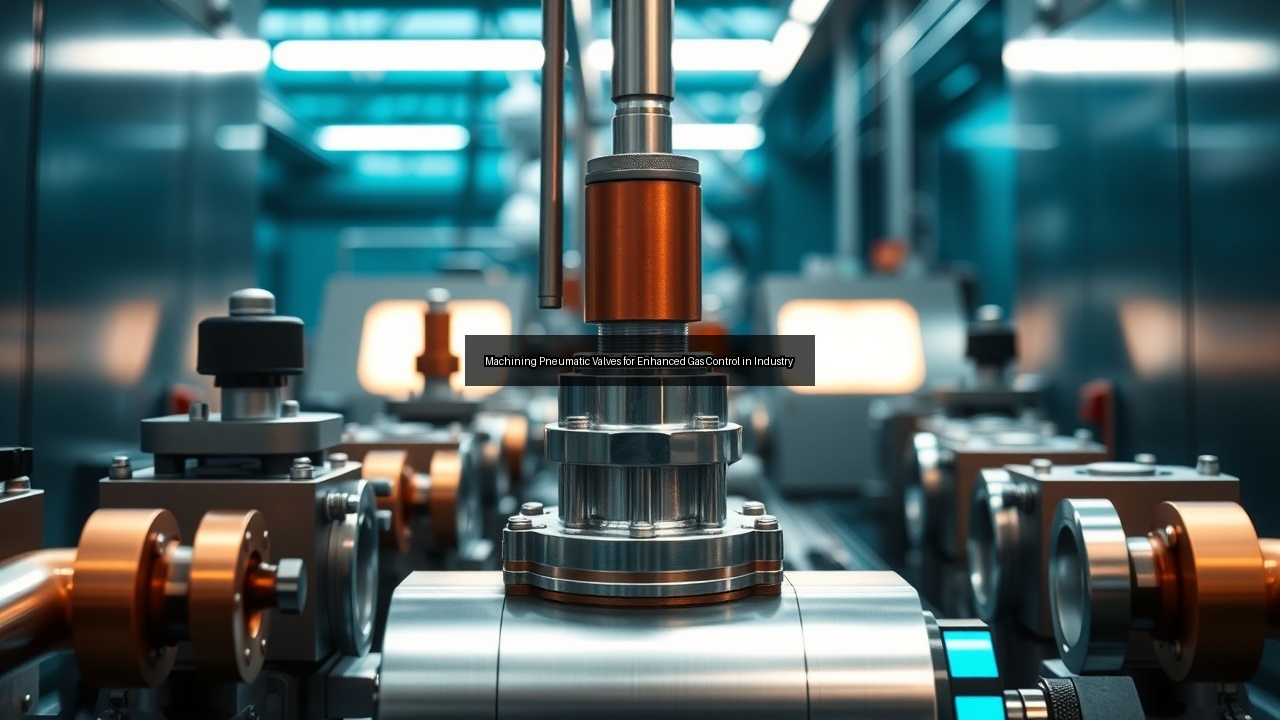
Introduction to Pneumatic Valve Machining
Overview of Pneumatic Systems
Pneumatic systems utilize compressed air or gas to transmit and control energy. These systems play a crucial role in various industries, including manufacturing, automotive, and automation. Pneumatic valves serve as vital components, regulating airflow and pressure within these systems. By controlling the flow of gas, pneumatic valves ensure that machinery operates smoothly and efficiently. The ability to manage pressure and flow directly impacts the performance of pneumatic actuators and, consequently, the overall functionality of industrial processes. Understanding the importance of pneumatic valve machining is essential for enhancing the effectiveness of these systems.
Importance of Precision in Gas Control
Precision in machining pneumatic valves is critical for effective gas control. Any deviation in size or shape can lead to inefficiencies, increased wear, or even system failure. High-quality machining processes ensure that valves function properly under varying pressures, providing consistent performance. Accurate dimensions also facilitate better sealing, which prevents leaks that can compromise system integrity. In industries where safety and reliability are paramount, such as aerospace and pharmaceuticals, precision machining of pneumatic valves becomes even more significant. Manufacturers prioritize these standards to meet stringent regulatory requirements and maintain competitive advantages.
Key Components of Pneumatic Valves
Pneumatic valves consist of several key components that work together to control gas flow. The most notable parts include the body, seat, actuator, and spring. The body houses the internal mechanisms and provides structural integrity. The seat forms a sealing surface that prevents gas leakage when the valve is closed. The actuator, often powered by compressed air, opens and closes the valve, enabling precise control over gas flow. Springs are utilized to return the valve to a default position when no external force is applied. Understanding these components is essential for engineers and manufacturers involved in pneumatic valve machining and production.
The Machining Process of Pneumatic Valves
Materials Used in Pneumatic Valve Manufacturing
The selection of materials for pneumatic valve manufacturing directly influences performance and durability. Common materials include brass, stainless steel, and aluminum, each offering distinct advantages. Brass, known for its excellent machinability and corrosion resistance, is frequently used in low-pressure applications. Stainless steel provides superior strength and resistance to harsh environments, making it ideal for high-pressure systems. Aluminum, on the other hand, is lightweight and offers good thermal conductivity, beneficial for specific applications. Manufacturers carefully choose materials based on factors such as pressure requirements, environmental conditions, and cost constraints, ensuring optimal performance of the pneumatic valves.
Machining Techniques for Precision Parts
The machining of pneumatic valves involves various techniques that ensure precision and quality. Computer Numerical Control (CNC) machining stands out as a preferred method, enabling intricate designs and tight tolerances. This technique employs automated machinery to produce parts with exceptional accuracy, reducing human error. Other methods, such as turning, milling, and grinding, also play vital roles in creating specific valve components. Each technique has its own set of advantages, allowing manufacturers to tailor their processes to meet the exact specifications required for different pneumatic valves. The integration of advanced machining technologies enhances the efficiency of production while maintaining high standards of quality.
Quality Control in Pneumatic Valve Production
Quality control is a fundamental aspect of pneumatic valve production. Manufacturers implement rigorous testing and inspection protocols to ensure that every valve meets industry standards. This often includes dimensional inspections, pressure testing, and functional evaluations. By adhering to these quality assurance practices, manufacturers can identify defects early in the production process, reducing waste and rework. Advanced technologies, such as automated inspection systems and data analytics, further enhance the quality control process. These measures not only ensure reliability and performance but also foster customer trust in pneumatic valve products, establishing long-term relationships in the industry.
Applications and Benefits of Machined Pneumatic Valves
Role of Pneumatic Control Valves in Industry
Pneumatic control valves play a pivotal role in various industrial applications, including automated assembly lines, material handling, and packaging systems. They regulate airflow to pneumatic actuators, enabling precise control over machinery operations. In manufacturing factories, these valves enhance productivity by ensuring that equipment operates efficiently and safely. Their ability to respond quickly to control signals makes them indispensable in environments requiring rapid and reliable operation. By integrating pneumatic control valves into systems, manufacturers achieve improved automation, leading to reduced labor costs and increased operational efficiency.
Enhancing Efficiency in Gas Management
Efficient gas management is crucial for optimizing operations in industries reliant on pneumatic systems. Machined pneumatic valves contribute significantly to this efficiency by providing precise control over gas flow and pressure. Properly functioning valves minimize energy consumption and reduce the risk of leaks, leading to lower operational costs. In addition, optimized gas management enhances the overall performance of pneumatic systems, allowing for smoother operation and extended equipment lifespan. As industries strive for sustainability and cost-effectiveness, the role of pneumatic valves becomes increasingly vital in achieving these goals.
Comparison with Hydraulic Valves
Pneumatic valves and hydraulic valves serve similar functions but operate on different principles. Pneumatic valves utilize compressed air or gas, while hydraulic valves rely on liquid fluids, typically oil. This fundamental difference influences their applications and performance characteristics. Pneumatic systems generally offer faster response times and are lighter, making them suitable for applications requiring quick actuation. Conversely, hydraulic valves excel in applications demanding high force and torque, such as heavy machinery. Understanding these differences enables engineers to select the appropriate valve type based on specific operational requirements, enhancing system performance and reliability.
Future Trends in Pneumatic Valve Manufacturing
Innovations in Machining Technology
Advancements in machining technology continuously reshape the landscape of pneumatic valve manufacturing. Innovations such as additive manufacturing and advanced CNC machining techniques allow for greater design flexibility and efficiency. Additive manufacturing, or 3D printing, enables the production of complex valve geometries that traditional methods cannot achieve. These technologies reduce material waste and allow for rapid prototyping, accelerating the development of new valve designs. As manufacturers adopt these cutting-edge techniques, they enhance their competitive edge and improve the overall quality and performance of pneumatic valves.
Sustainability in Valve Production
Manufacturers increasingly prioritize sustainability in pneumatic valve production. By adopting eco-friendly materials and processes, they reduce their environmental footprint. Initiatives such as recycling scrap materials and minimizing energy consumption during machining contribute to sustainable practices. Additionally, designing valves for longevity and ease of maintenance reduces the need for frequent replacements, further supporting sustainability goals. As industries face increasing pressure to adopt greener practices, the shift towards sustainable pneumatic valve manufacturing becomes essential for long-term success.
The Role of Manufacturers like Hogge Precision Parts
Manufacturers such as Hogge Precision Parts play a crucial role in the pneumatic valve market. Their commitment to quality and precision machining ensures that customers receive reliable and efficient products. With a focus on advanced machining techniques and quality control, Hogge Precision Parts exemplifies the best practices in pneumatic valve manufacturing. Their expertise enables them to meet diverse industry needs, from aerospace to automotive, solidifying their position as a leading pneumatic valve manufacturer. As the industry evolves, manufacturers like Hogge continue to innovate, driving advancements in pneumatic valve technology and production.
See Also
- Understanding the Role of Pneumatic Control Valves in Modern Engineering
- Maximizing Production Efficiency in Pneumatic Valve Machining Processes
- How to Choose the Right Pneumatic Valve Manufacturer for Your Needs
- Leveraging CNC Technology in the Machining of Pneumatic Valves
- The Essential Guide to Machining Techniques for Pneumatic Valves